
Last updated September 25, 2026
Non-destructive entry first, always - and we re-key Schlage, Kwikset, and Baldwin locks on the spot while you watch
You get a price before we start. It does not change when we arrive. No surprises.
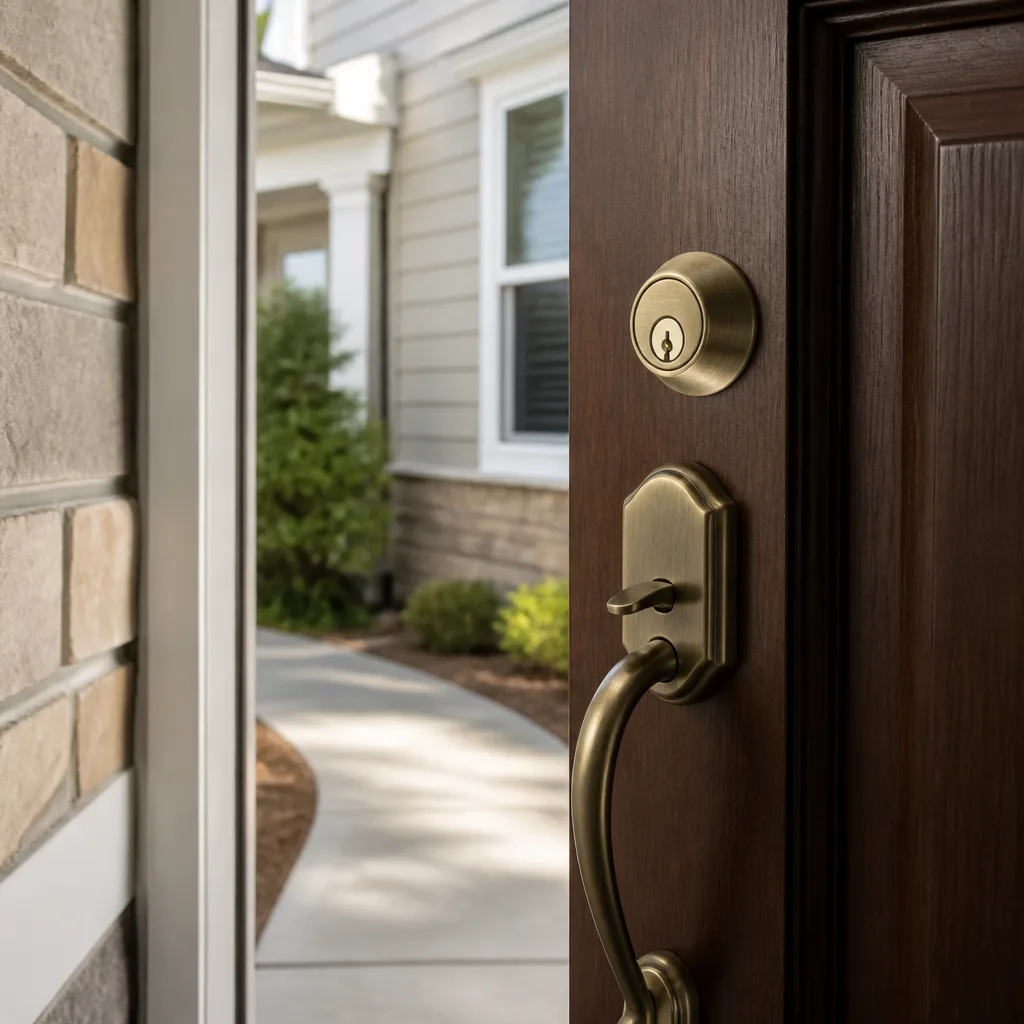
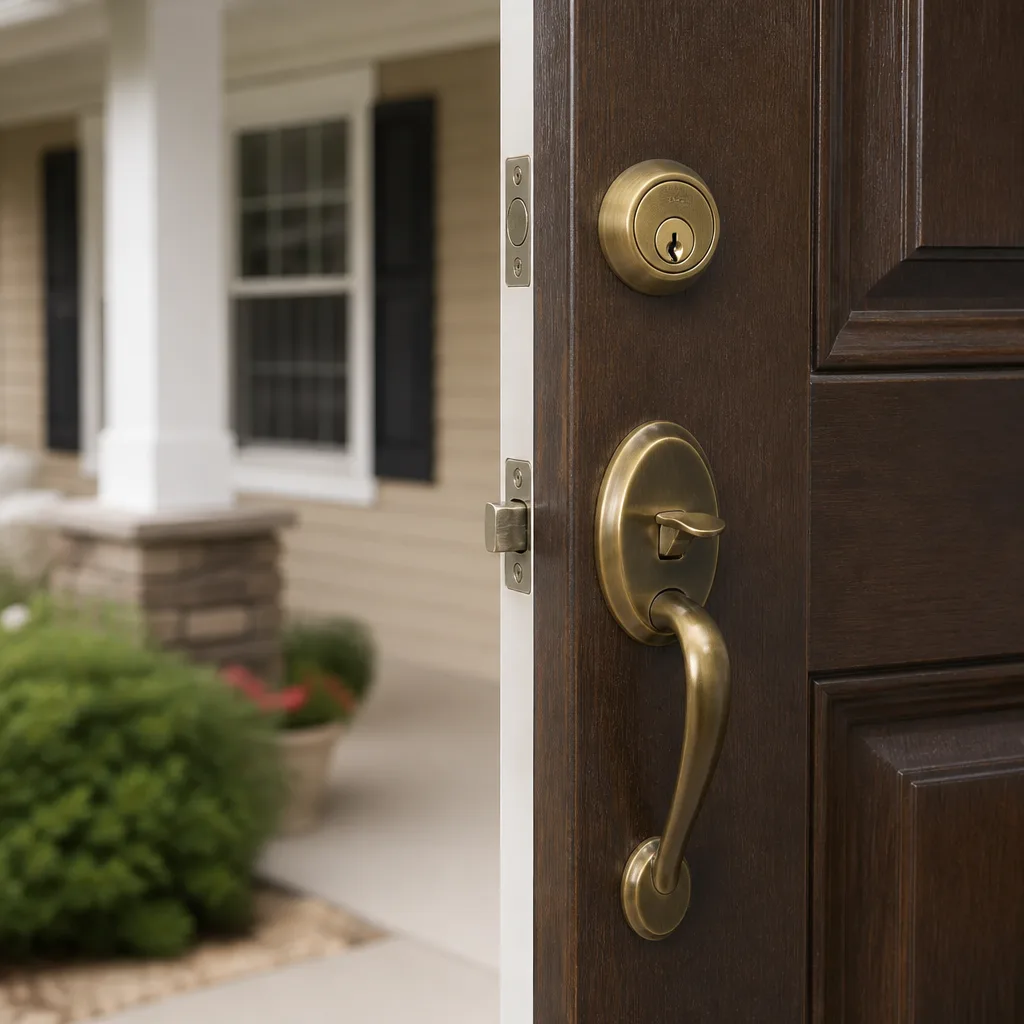
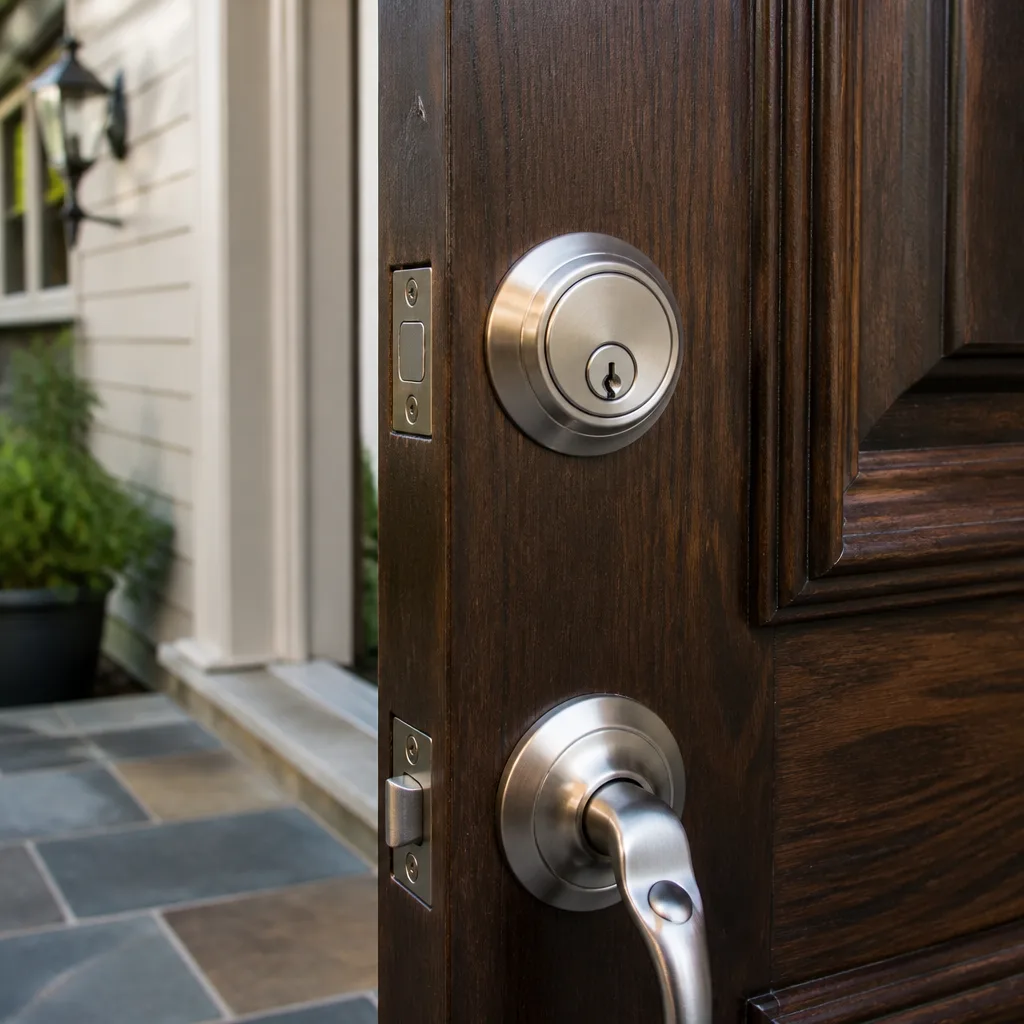
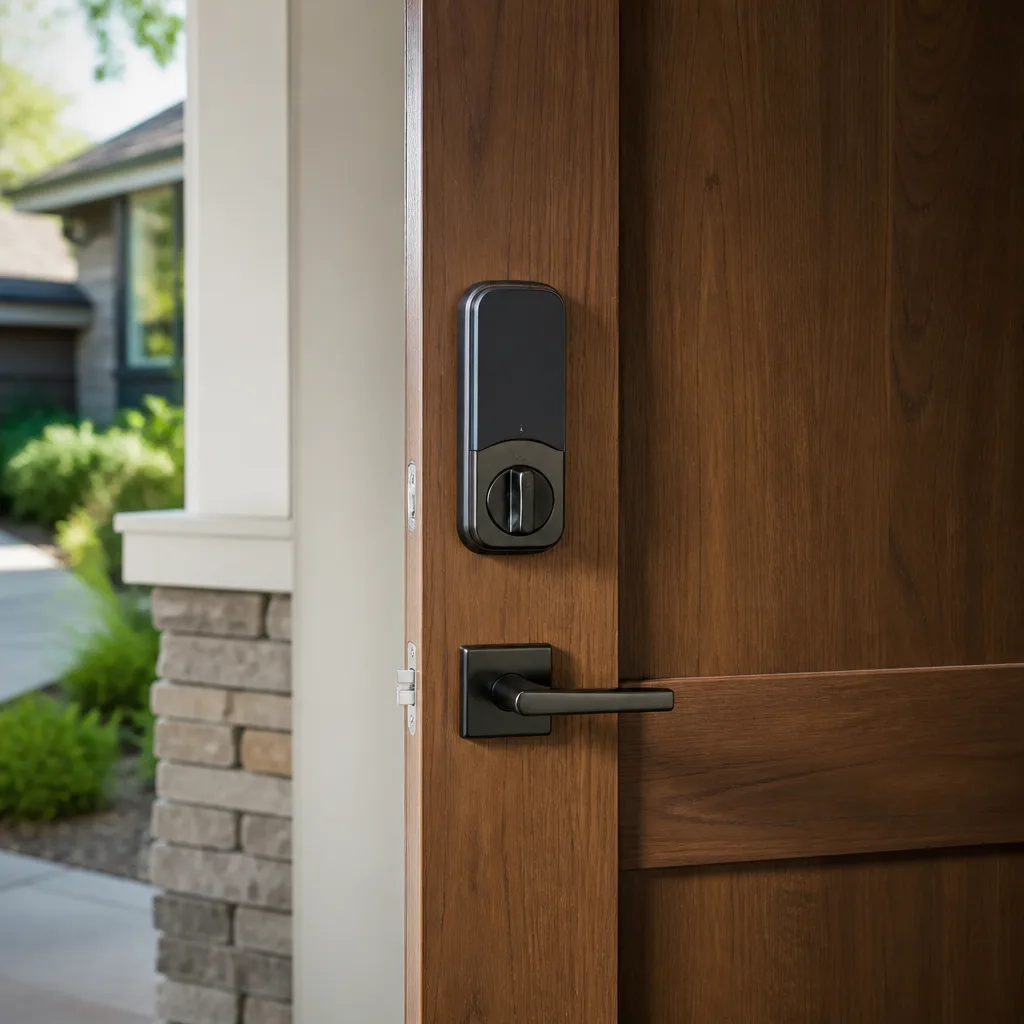
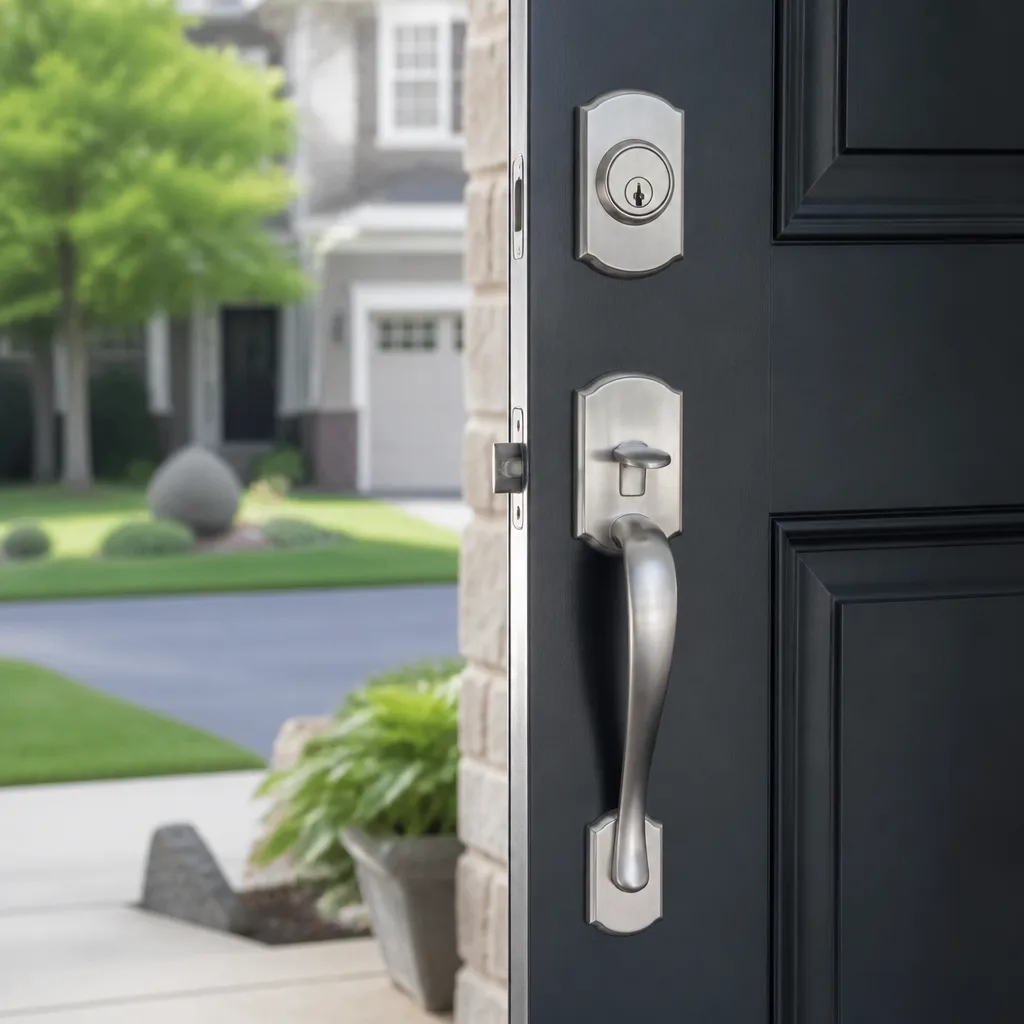
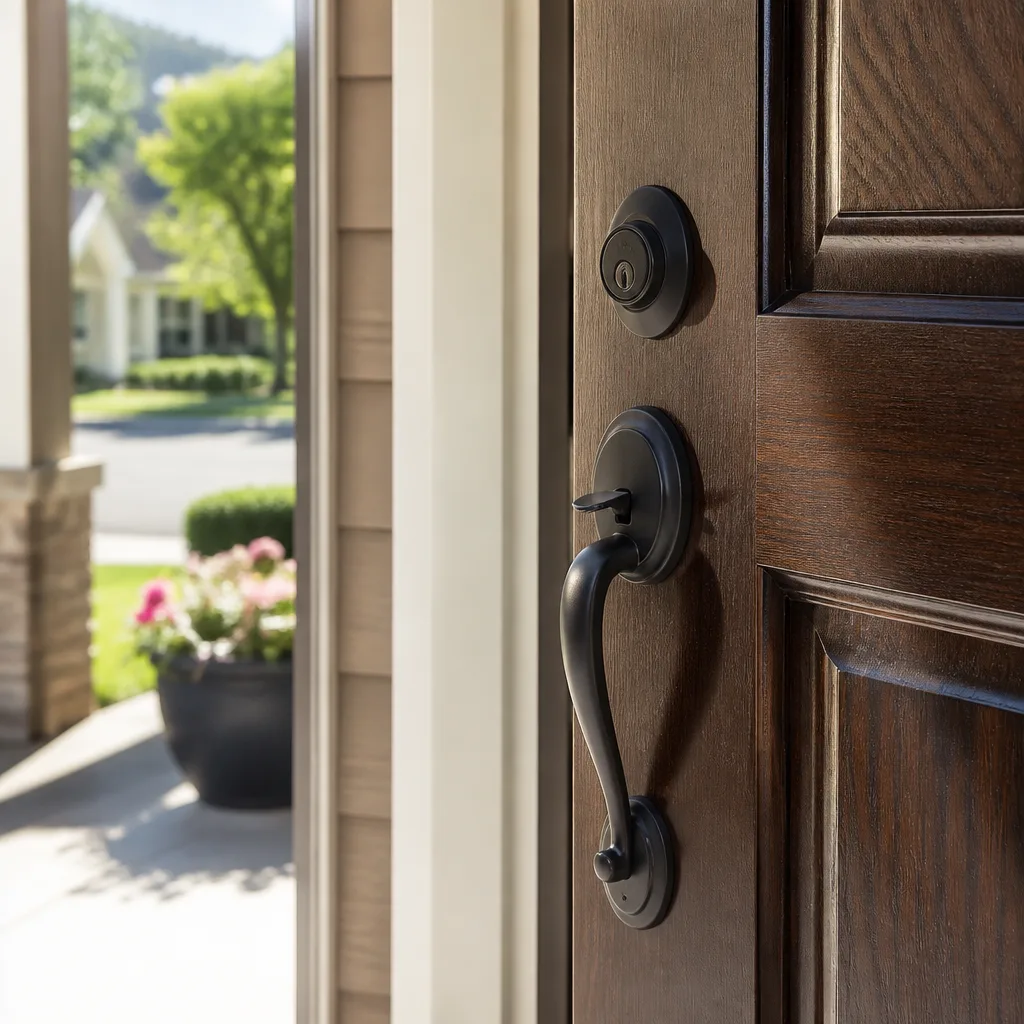
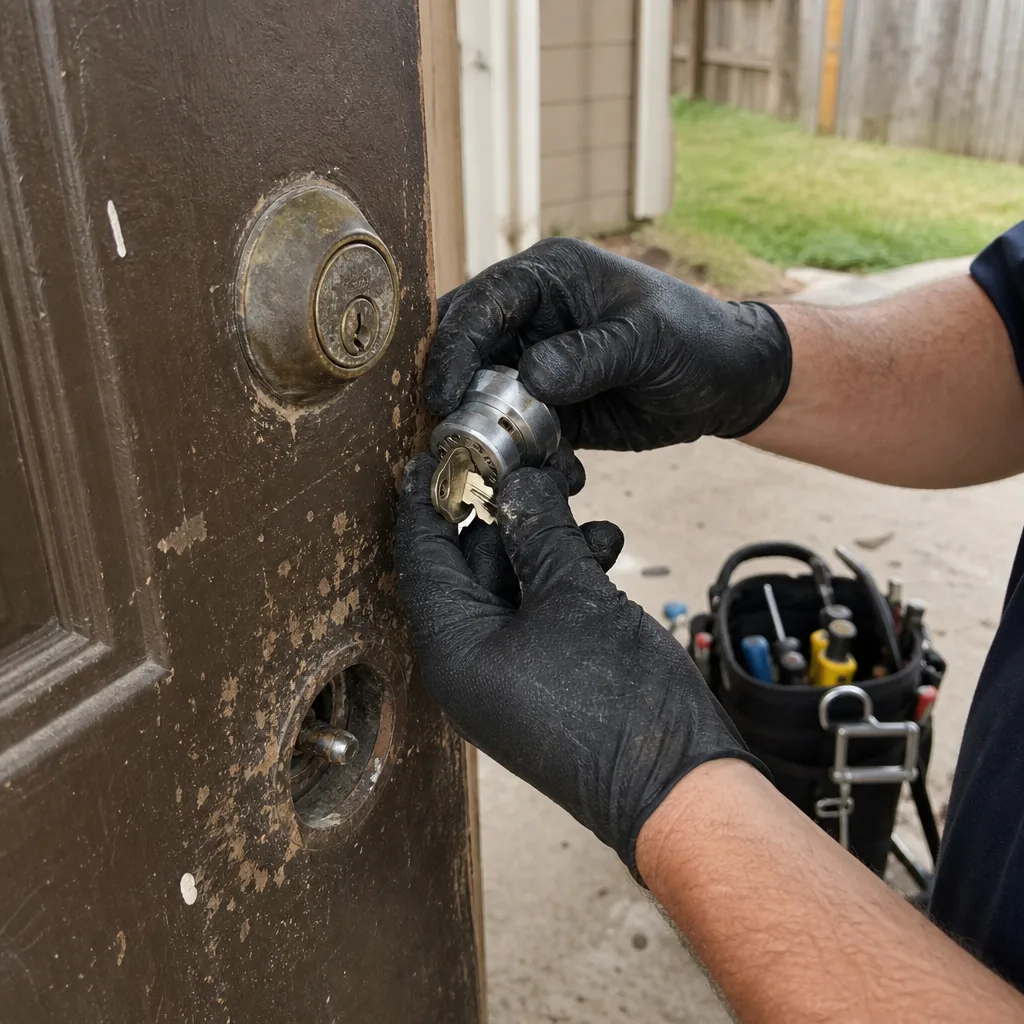 Before
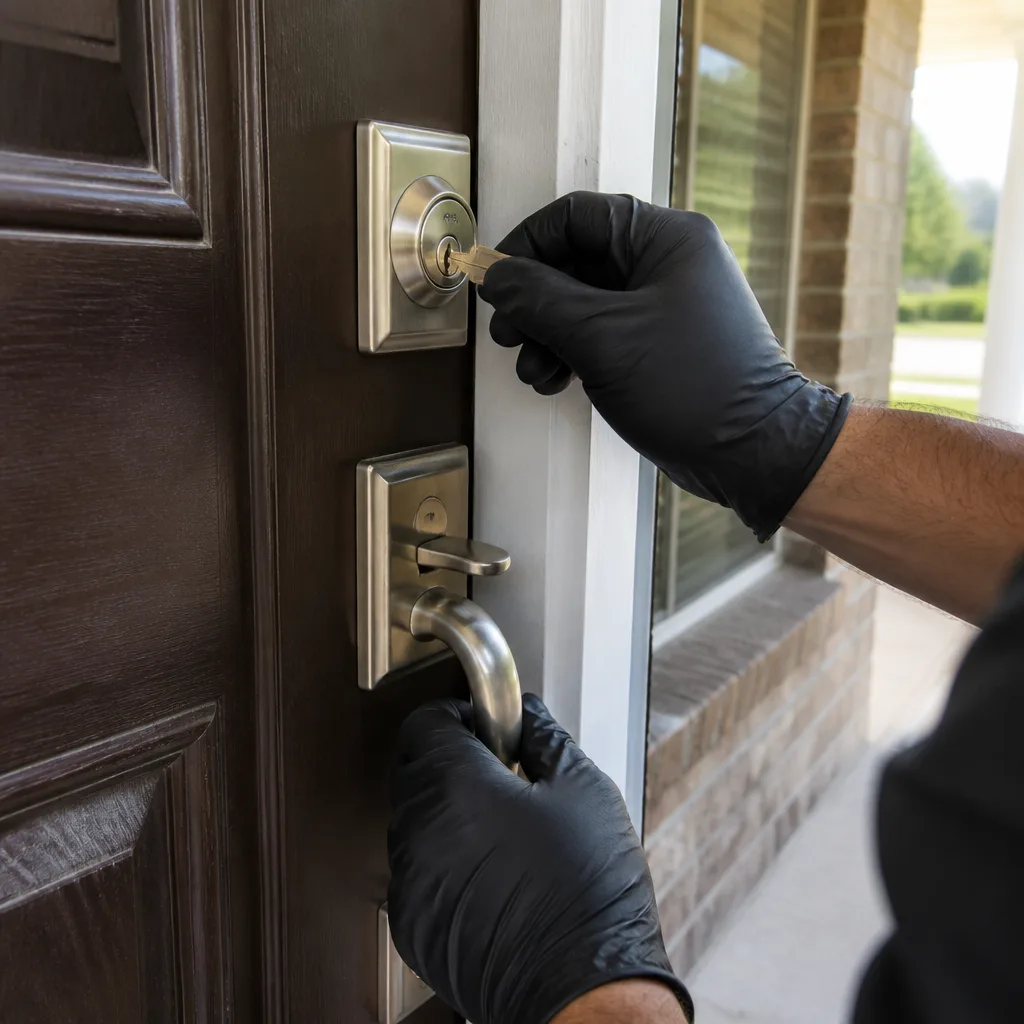 After
AfterLocksmith Permits, Codes & Inspections in TX: What You Need to Know
In Texas, a locksmith working without a current TLDR license is committing a Class A misdemeanor, and they are still showing up on the first page of Google Maps. We have answered calls from Katy homeowners who hired an unlicensed operator, paid cash, and received no invoice, only to discover their new deadbolt was a counterfeit Schlage purchased online. This guide explains the three-part compliance chain every legitimate Texas locksmith must carry, how to verify it in under two minutes, and why a missing license number on your receipt can void an insurance claim; for Locksmith Warning Signs: A Katy Homeowner’s Reference Guide, see our related resource. If you live in Katy, Cinco Ranch, or anywhere in Fort Bend County, these rules apply at your front door.
Quick Answer
Texas requires every locksmith to hold an individual TLDR license issued by the Department of Public Safety, and every locksmith company to register separately with the state. A legitimate technician must carry their pocket card, display their company registration, and provide an invoice with both license numbers listed. You can verify any license in real time at the Texas DPS Private Security Bureau portal before allowing work to begin.
Table of Contents

- The Texas DPS Locksmith Licensing Structure: Three Tiers
- How to Verify a Locksmith License in Real Time
- What Texas Law Requires on Your Locksmith Invoice
- Where Locksmith Work Ends and Alarm Licensing Begins
- Fort Bend County and City of Katy Requirements
- Common Mistakes to Avoid
- When to Call a Professional
- Frequently Asked Questions
BeforeAfterThe Texas DPS Locksmith Licensing Structure: Three Tiers
Texas Occupations Code Chapter 1702 governs the private security industry, and locksmiths fall under the Private Security Bureau of the Texas Department of Public Safety. The structure is three-tiered, and most consumers do not know the difference until something goes wrong.
Tier 1: Individual Locksmith License (TLDR)
Every person who performs locksmith services, including lock installation, rekeying, lock picking, or key duplication for compensation, must hold an individual license with the TLDR (Texas Locksmith Registration) endorsement. This requires:
- Completion of a DPS-approved locksmith training course (minimum 48 hours for the initial license)
- Passing a state-administered examination
- Fingerprinting and criminal background check through DPS and the FBI
- Annual continuing education (currently 8 hours per renewal cycle)
The license is a pocket card the technician must carry during every service call. It contains a unique license number, expiration date, and the TLDR endorsement code. In our experience dispatching technicians across Katy and west Houston, we have encountered customers who asked to see the card for the first time after a bad experience elsewhere. We encourage this. Haven Standard Clause 4 requires our technicians to present identification and pocket card before beginning work.
Tier 2: Company Registration (PSB Registration)
The business entity itself must register separately with the Private Security Bureau. This registration number is distinct from the individual license numbers of employees. A company can hold valid registration while employing unlicensed technicians, which is a common violation. The company registration must be displayed on all advertising, vehicles, and invoices.
Tier 3: Apprentice Status
An apprentice may work under direct supervision of a licensed locksmith while completing training requirements. The apprentice must register with DPS and carry an apprentice identification card. They cannot perform unsupervised work, and they cannot hold themselves out as a licensed locksmith. We do not employ apprentices for unsupervised residential or commercial calls in Katy. Every Novak Lock & Security technician on your property holds a full TLDR license.
The three-tier distinction matters because a company can be legally registered while the person at your door is unlicensed. We have seen this in Katy apartment complexes where a property manager contracted a registered company that sent day-laborers with no individual licenses. The company was compliant. The individuals were not. The residents had no recourse when keys were mismanaged.
How to Verify a Locksmith License in Real Time
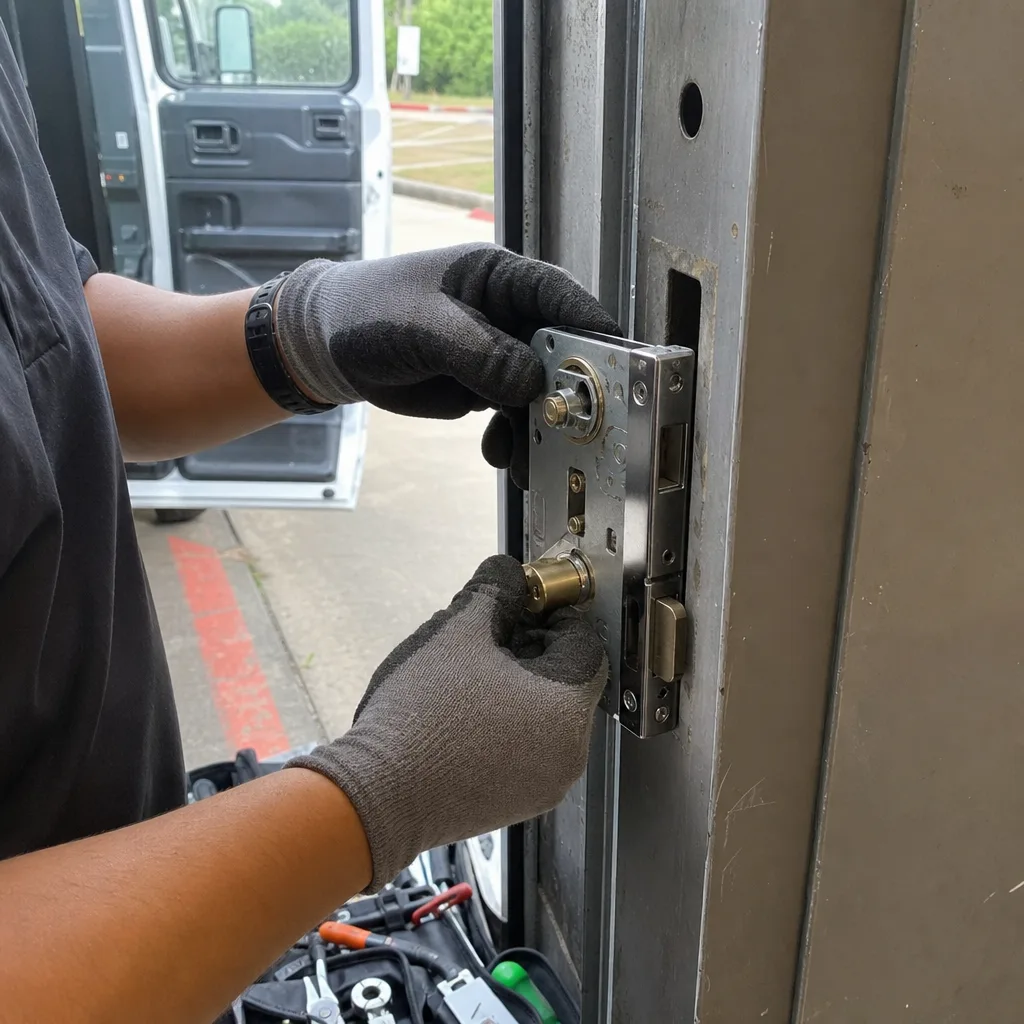
Verification takes under two minutes and requires no account or payment. The Texas DPS Private Security Bureau maintains a public license lookup at the official DPS website. Here is the exact process:
- Navigate to the Texas DPS Private Security Bureau license verification page
- Select “Individual” or “Company” from the search type dropdown
- Enter the license number exactly as shown on the pocket card or company materials
- Review the returned record for: license status (Active/Expired/Revoked), expiration date, endorsements held, and any disciplinary history
We recommend verifying both the individual technician and the company registration before any work begins. A legitimate operator will provide both numbers without hesitation. Hesitation is a signal.
Red flags we have encountered in the Katy market:
- The technician claims to be “company licensed” but cannot produce an individual pocket card
- The license number provided returns “No records found” in the DPS database
- The expiration date has passed, sometimes by years
- The endorsement listed is “Security Officer” or “Alarm Installer” rather than “Locksmith (TLDR)”
In 2023, a Katy homeowner in Grand Lakes called us after a lockout service where the technician drilled a perfectly functional Kwikset deadbolt rather than picking it, then charged $380 for a replacement that retails for $45. The individual had no TLDR license. The company registration was valid but based in another county with no physical address. The homeowner had no invoice with license numbers. DPS enforcement action requires documentation the homeowner could not provide.
We provide our DPS numbers when requested, and our dispatchers can recite them. This is standard procedure, not a favor.
What Texas Law Requires on Your Locksmith Invoice
Texas Administrative Code Title 37, Part 1, Chapter 35 specifies minimum invoice content for locksmith services. The requirements are precise, and compliance is not optional.
Mandatory invoice elements:
- Company name and DPS Private Security Bureau registration number
- Technician’s full name and individual TLDR license number
- Date and time of service
- Itemized description of all work performed
- Itemized description of all parts and materials supplied
- Separate listing of labor charges and parts charges
- Total amount charged
The license number requirement is not bureaucratic decoration. It is the traceable link between the service performed and the state’s regulatory record. Without it, you cannot file a complaint with DPS. Without it, your homeowner’s insurance may deny a claim related to faulty installation or security breach. We have reviewed claims where insurers requested the locksmith invoice to verify that a licensed professional performed the work that preceded a break-in. The absence of a license number on the invoice became grounds for denial.
At Novak Lock & Security Katy, every invoice lists both numbers, itemizes every cylinder and key, and includes the documented photo record of completed work. This is Haven Standard Clause 7: documented record provided to the customer before the technician departs. We do not email it later. It is in your hand.
Pricing transparency is equally regulated. While Texas does not set maximum rates, it prohibits bait-and-switch advertising and requires that any price quoted remotely be honored unless the scope changes materially and the customer agrees in writing. Our founding rule, Haven Standard Clause 1, predates this: the price on the phone is the price on the invoice. The technician is contractually prohibited from changing it at the door. Since 2002, we have maintained this on 60,000+ jobs.
Typical written pricing in the Katy market:
- Residential rekey: $19-$29 per cylinder, plus service call, with total quoted before dispatch
- Deadbolt installation (grade 2, Schlage or Kwikset): $140-$220 including hardware and labor
- High-security cylinder installation (Medeco or Mul-T-Lock): $280-$450 per cylinder, quoted in writing
- Emergency lockout response: $85-$150 service call plus labor, total quoted before the technician departs
Where Locksmith Work Ends and Alarm Licensing Begins

The TLDR license authorizes specific activities. It does not authorize everything involving a door or access point. Understanding this boundary protects you from unqualified work and potential code violations.
Covered under TLDR license:
- Mechanical lock installation, repair, and rekeying
- Key duplication and code cutting
- Safe and vault work (with additional safe technician endorsement)
- Master key system design and implementation
- Basic door hardware installation (closers, strikes, exit devices)
Requiring separate Alarm Systems License (or Electrical License):
- Electronic access control systems with networked credentials
- Biometric readers connected to central controllers
- Integrated alarm and access systems
- Low-voltage wiring for card readers or electric strikes in new construction
- Any system monitored by a central station with police dispatch
The overlap zone causes confusion. A standalone electric strike on a single door, powered by a local transformer with no network connection, typically falls under locksmith work. The same strike wired into a building’s access control network with software-managed credentials requires an alarm systems license or electrical contractor involvement.
At Access Control Systems in Katy, we coordinate with licensed alarm contractors when projects cross this boundary. We do not perform unlicensed electrical or alarm work. Customers in Katy commercial buildings, particularly in the newer developments along I-10 and the Grand Parkway, should verify which licenses apply to their specific installation before work begins.
The distinction has inspection implications. Commercial projects in Katy with access control components may require both a locksmith-compliant hardware installation and an electrical inspection for low-voltage wiring. We have seen projects delayed when a single contractor performed both without proper licensing, requiring rework by qualified personnel; review our Commercial Locksmith Maintenance Checklist for Katy Homeowners to avoid this.
Fort Bend County and City of Katy Requirements
Texas locksmith regulation is primarily state-level, but local overlays exist for commercial construction and specific building types. Katy homeowners and business operators should understand what applies to their property.
Fort Bend County
Fort Bend County does not impose additional locksmith licensing beyond state DPS requirements. However, commercial construction permits involving door hardware in assembly occupancies (schools, theaters, places of worship) require hardware to meet ANSI/BHMA standards and ADA compliance for operable parts. The county building department inspects for egress compliance and fire rating, not for locksmith licensing. The licensed locksmith must install hardware that satisfies these codes, but the code inspection is separate from the DPS regulatory chain.
In unincorporated Fort Bend County, we have installed Baldwin and Schlage hardware in residential new construction where the builder’s final inspection included verification that exterior doors met IRC requirements for egress width and lock height. The locksmith’s role is specifying and installing compliant hardware, not performing the inspection.
City of Katy
The City of Katy maintains its own building inspection department for permitted work within city limits. Relevant to locksmith services:
- Commercial tenant finish-outs require building permits for door modifications affecting egress
- Change of occupancy classification triggers full building code review, including hardware
- Historic district properties (limited in Katy but present in the downtown corridor) may have additional requirements for exterior hardware changes
- No separate locksmith business license exists, but all businesses must hold a general business registration
Katy’s climate affects hardware selection in ways that intersect with code. The high humidity and occasional flooding in low-lying areas near Barker Reservoir accelerate corrosion on entry-grade hardware. We regularly specify marine-grade finishes or upgrade to solid brass construction in homes south of I-10, particularly in neighborhoods that experienced water intrusion during Hurricane Harvey. This is not a code requirement, but it is a local condition that affects hardware longevity and, by extension, code compliance when corroded hardware fails inspection; see our Seasonal Locksmith Care for Katy: Year-Round Homeowner’s Guide for maintenance timing.
We have replaced failed Kwikset entry sets in Katy homes where the interior mechanism seized due to moisture infiltration, leaving residents unable to exit during an emergency. The hardware met code when installed. It did not meet code when it failed. Preventive specification by a licensed locksmith who understands local conditions prevents this.
For Commercial Locksmith in Katy projects, we coordinate permit requirements with the City of Katy building department before work begins, particularly for master key system installations in multi-tenant buildings where egress modifications may be involved.
Common Mistakes to Avoid
- Assuming a Google Maps listing equals legitimacy. Google does not verify DPS licenses before displaying a business. We have found unlicensed operators ranking above licensed companies in Katy search results. Verify independently.
- Accepting a verbal quote without written confirmation. Texas law requires written agreement for scope changes, but many consumers accept verbal pricing. The invoice arrives with triple the quoted amount. Demand the written price before work starts.
- Paying cash without receiving an itemized invoice. Cash payments with no documentation eliminate your recourse for defective work and prevent insurance claims. Legitimate locksmiths accept multiple payment methods and provide detailed invoices.
- Confusing company registration with individual technician licensing. A valid company registration means nothing if the person picking your lock is unlicensed. Check both.
- Hiring based on lowest price without verifying license status. Unlicensed operators undercut licensed locksmiths by 30-50% because they carry no insurance, pay no licensing fees, and use counterfeit hardware. The savings disappear when the lock fails or your claim is denied.
- Neglecting to check expiration dates. DPS licenses expire annually. A technician showing a card with a lapsed date is working illegally. The verification portal displays current status.
- Assuming access control work is covered by a locksmith license. In Katy commercial buildings, integrated electronic systems require additional licensing. Verify before authorizing networked access control installation.
When to Call a Professional
Call a licensed locksmith when you need lock installation, rekeying after move-in or employee turnover, emergency lockout assistance, safe work, or master key system design. Call specifically when you need documentation for insurance, property management, or legal purposes, the work involves high-security cylinders (locks that cannot be picked or bumped by standard tools), or you are unsure whether your existing hardware meets current code for egress or fire rating.
We do not recommend DIY lock installation for exterior doors. Improper strike plate alignment, incorrect backset measurement, or failure to reinforce the jamb compromises both security and code compliance. We have repaired homeowner-installed deadbolts in Katy where the bolt extended into drywall rather than a reinforced strike, defeating the purpose of the hardware.
Residential Locksmith in Katy services from Novak Lock & Security include free written estimates with no dispatch requirement. Call (832) 402-8386 to discuss your situation, verify our DPS license numbers, and receive a firm price before any work is scheduled.
Frequently Asked Questions
Ask for their individual TLDR license number and company PSB registration number, then verify both at the Texas DPS Private Security Bureau online portal before allowing work to begin. A legitimate locksmith provides these without hesitation. Call (832) 402-8386 and we will provide ours on request.
The locksmith commits a Class A misdemeanor punishable by up to one year in jail and a $4,000 fine, but you as the consumer bear the practical consequences: no recourse through DPS, potential insurance claim denial, and no guarantee the work meets code or uses legitimate hardware. We have replaced counterfeit hardware installed by unlicensed operators in Katy homes where the locks failed within months.
At Novak Lock & Security, yes. Haven Standard Clause 1 prohibits our technicians from changing the quoted price at the door unless you request additional work and agree to a new written price. This rule has been in place since 2002. Many competitors quote low to secure the dispatch, then add fees on arrival. Ask whether the company has a written policy preventing this.
No. Fort Bend County follows state DPS requirements for locksmith licensing. Commercial building permits may require code-compliant hardware installation, but the county does not issue locksmith-specific permits. Verify your technician’s state license.
Decline the service and contact another provider. Texas law requires the pocket card to be carried during service calls. Refusal is a violation and a reliable indicator of unlicensed operation. We present identification and license documentation as standard procedure on every Katy call.
Texas law requires a TLDR license for any locksmith service performed for compensation, including rekeying. An unlicensed person rekeying your locks violates state law and may not understand pinning techniques that affect key control and security. Our rekeys include a documented key code record and are backed by the 365-Day Done Right Promise.
The Bottom Line
Texas locksmith regulation is straightforward but only protects consumers who verify compliance. The three-part chain, individual TLDR license, company PSB registration, and documented invoice with both numbers listed, is your only reliable defense against unqualified operators and bait-and-switch pricing. Verify before you hire. Demand written pricing before work begins. Keep your invoice with license numbers for insurance and warranty purposes. In Katy and Fort Bend County, local building codes add hardware requirements for commercial work, but the state licensing framework is the foundation; explore more guides & resources on our blog. Novak Lock & Security Katy operates under these rules transparently, with documented records on every job since 2002.
Written by Daniel Novak, Owner at Novak Lock & Security Katy, serving Katy since 2002.