
Last updated September 25, 2026
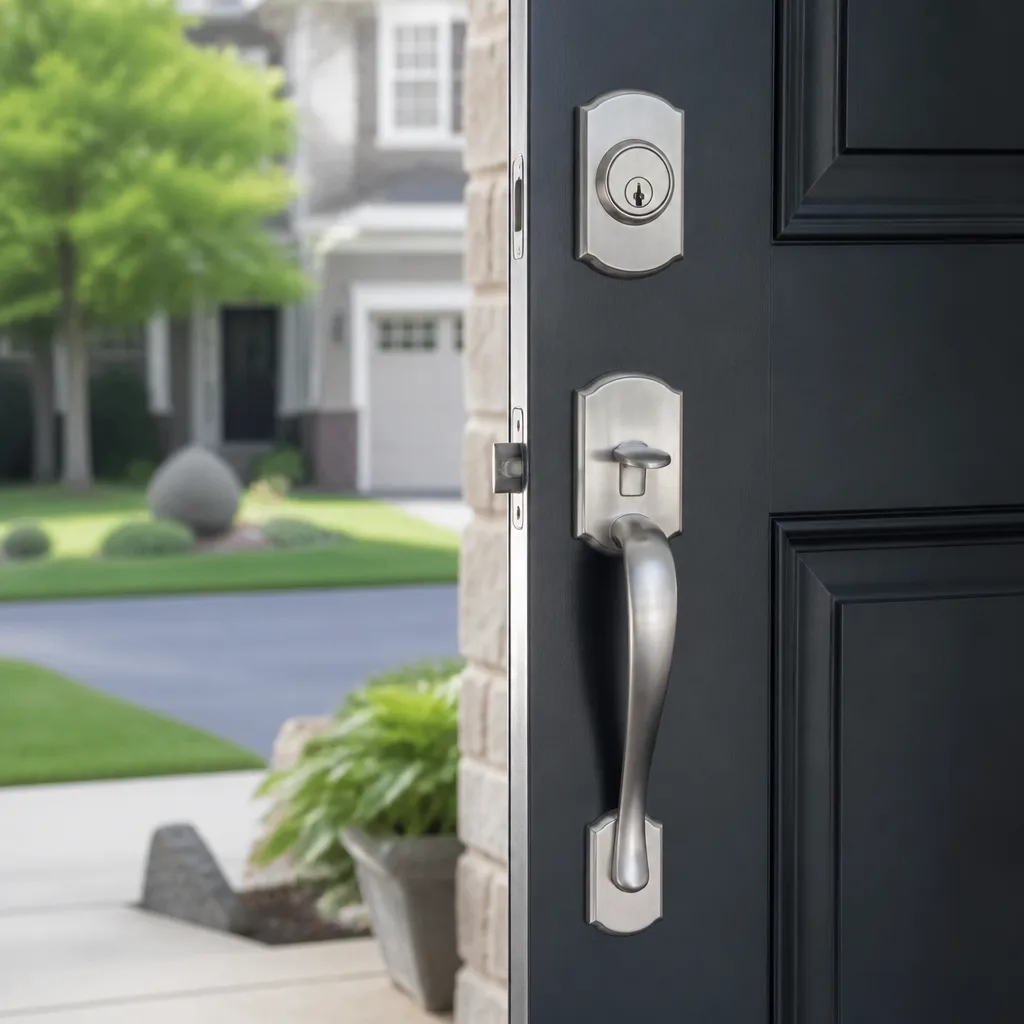
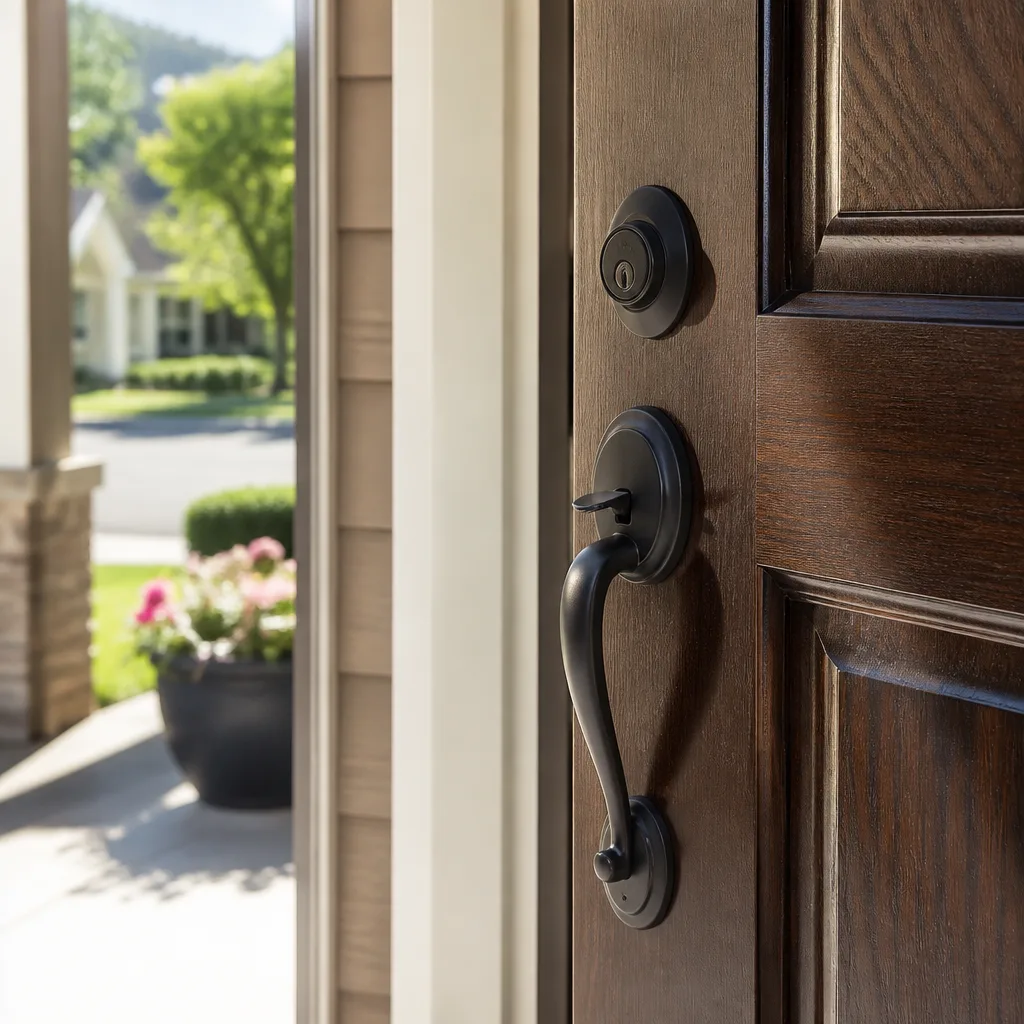
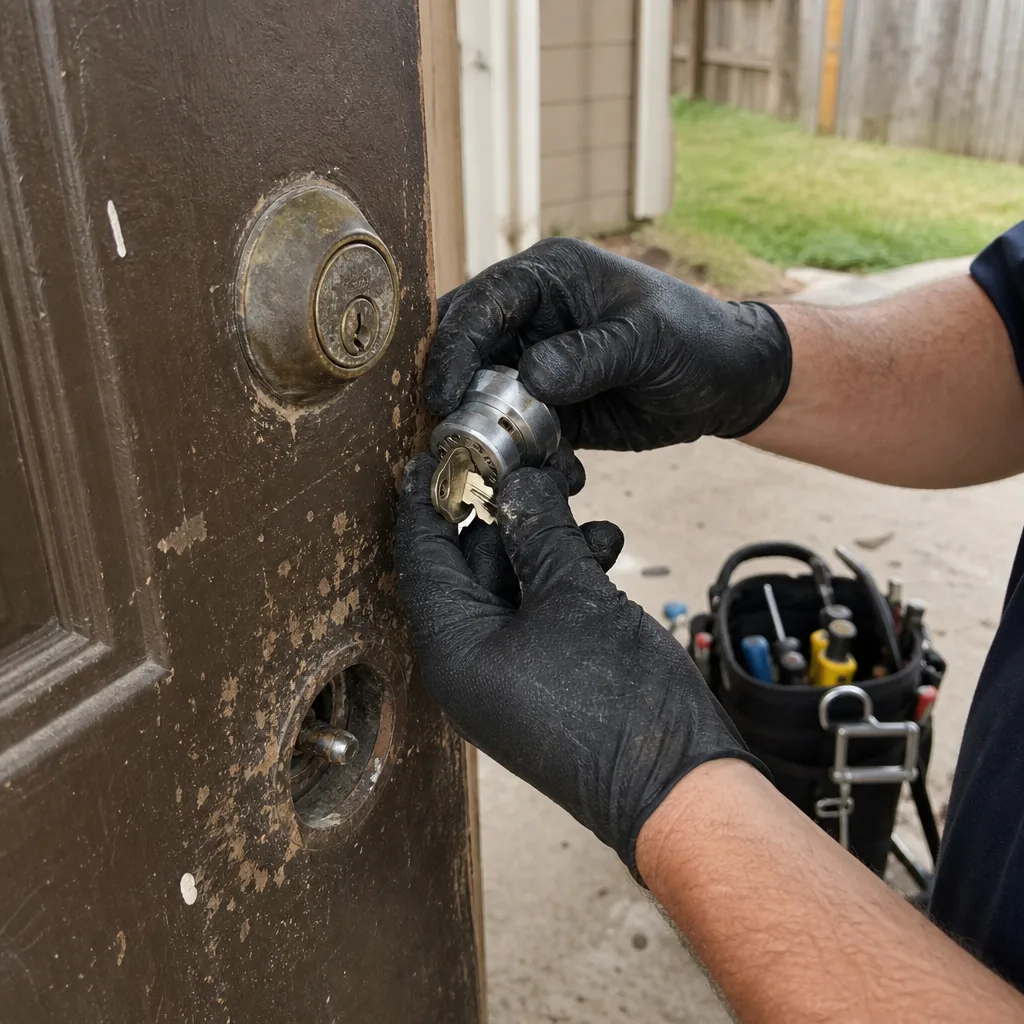
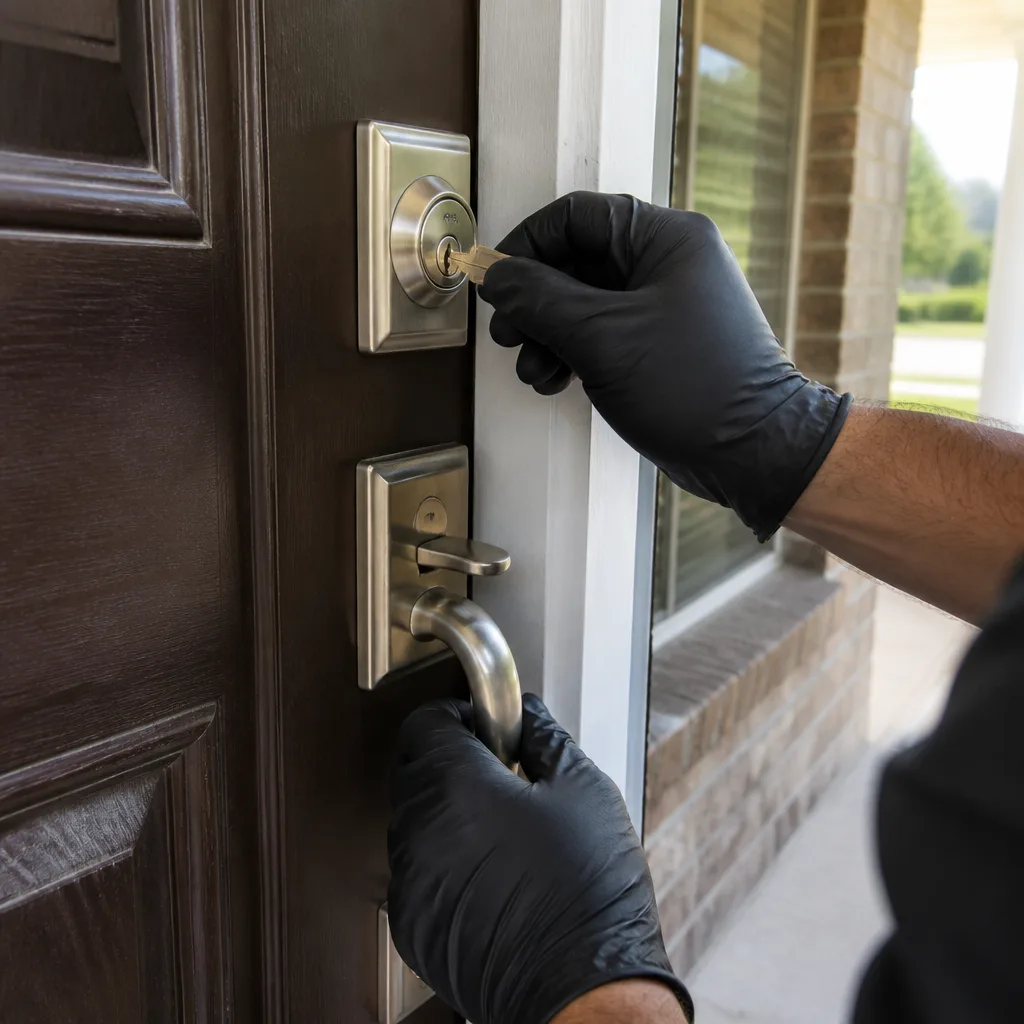
Non-destructive entry first, always - and we re-key Schlage, Kwikset, and Baldwin locks on the spot while you watch
You get a price before we start. It does not change when we arrive. No surprises.
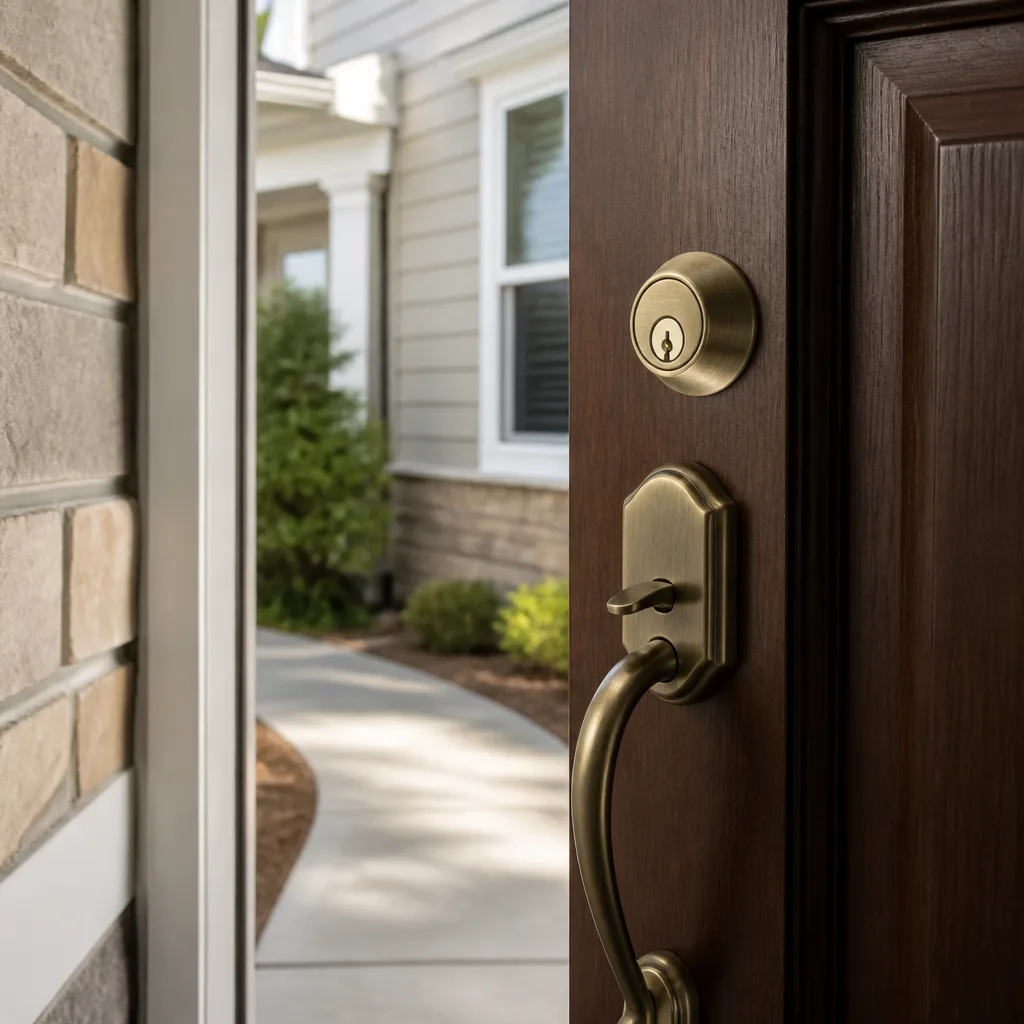
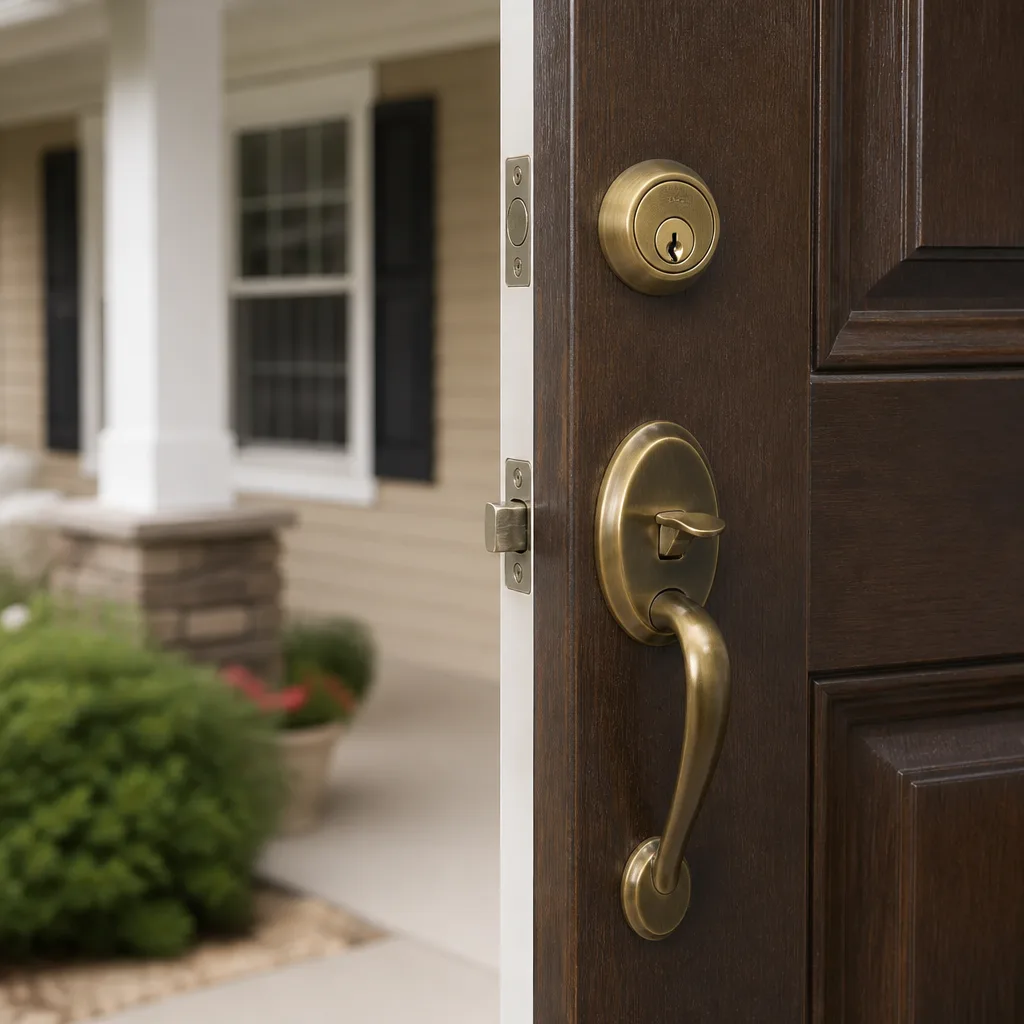
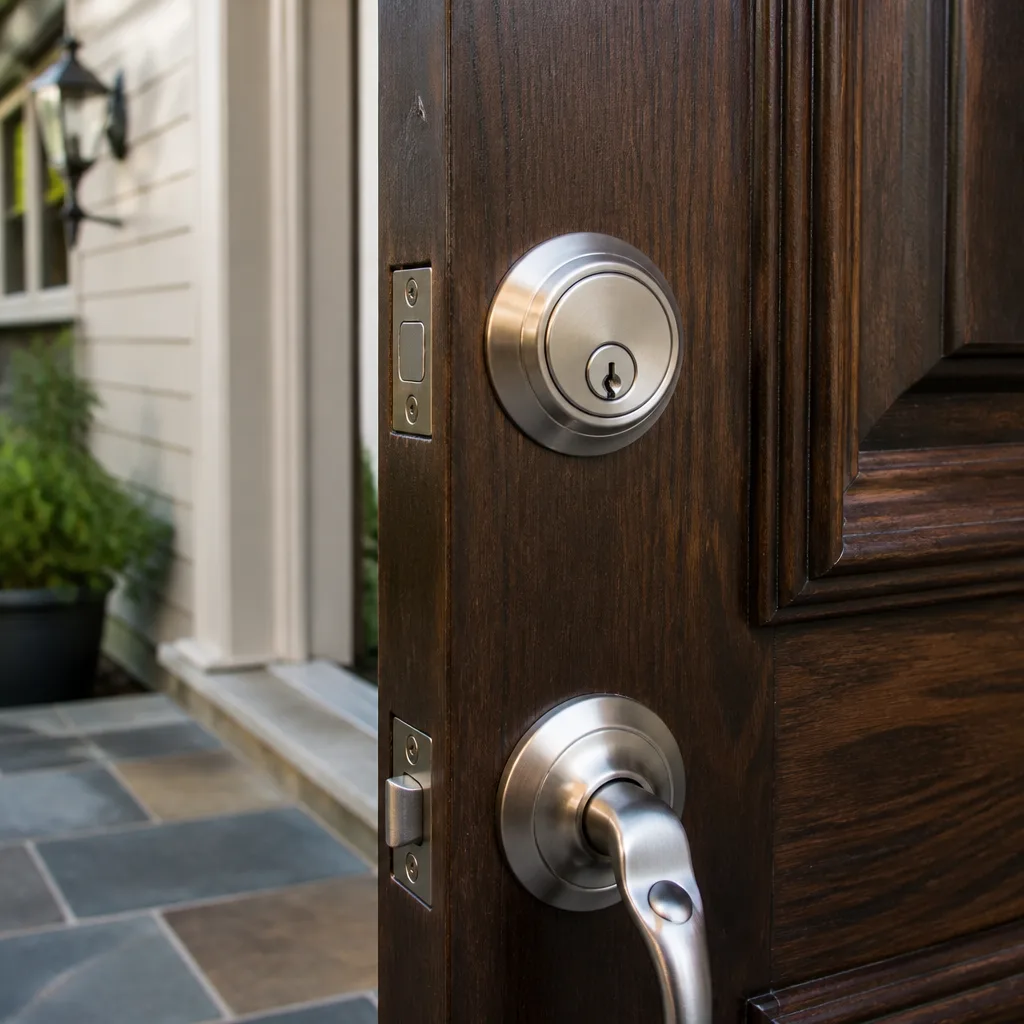
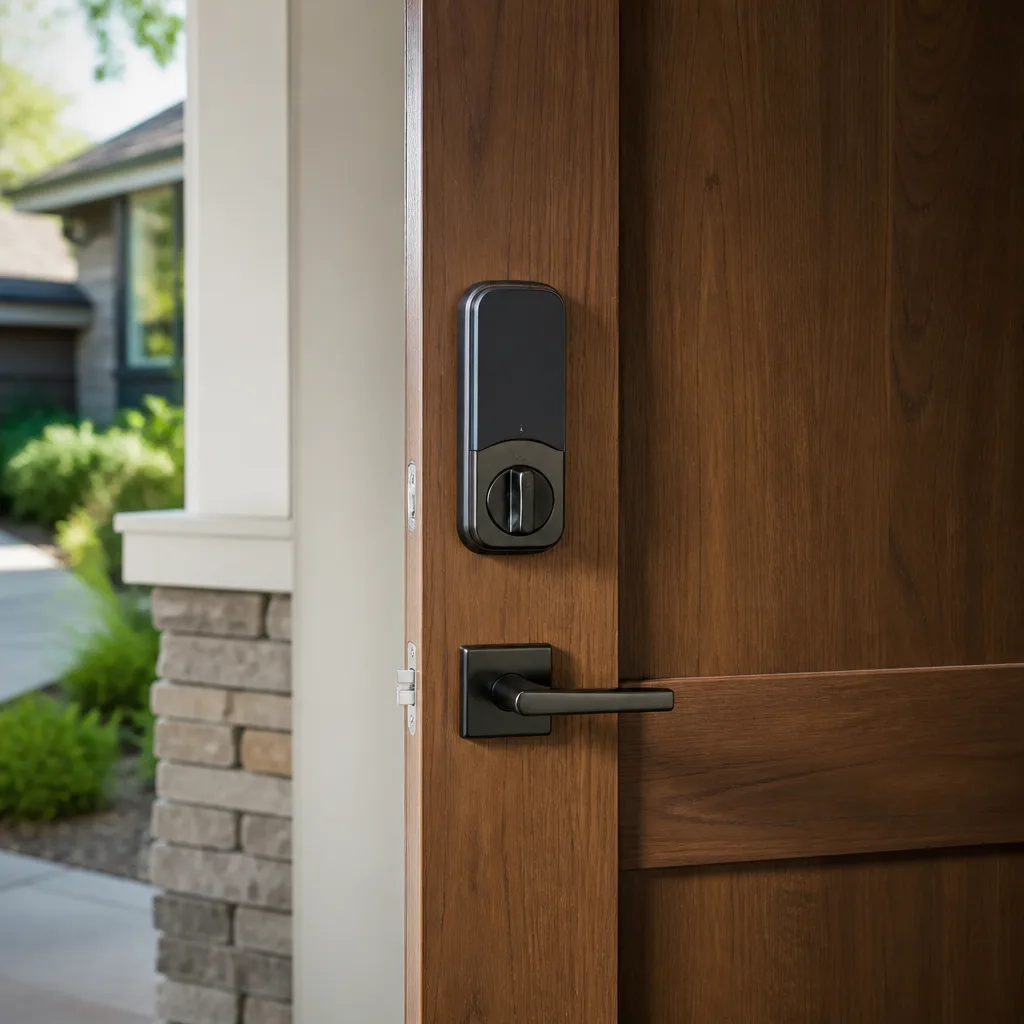
 Before
 After
AfterSeasonal Locksmith Care for Katy: Year-Round Homeowner’s Guide
Katy recorded eight days above 105°F in summer 2023. At that temperature, the lubricant in a standard pin-tumbler cylinder thins enough to allow cylinder slippage - a failure mode most homeowners mistake for a bad key. Meanwhile, the February freeze that same year left smart lock batteries dead across Cinco Ranch and Seven Meadows, and spring hail season loosened strike plates from Memorial Parkway to Old Katy. The homeowners who treat lock maintenance as a single annual task are the ones calling for emergency service in August or after a freeze. This guide maps what actually happens to your hardware across Katy’s four distinct weather phases, what to check yourself, and when a technician’s visit saves money over a lock replacement. For the complete guide to locksmith services in Katy, see our overview.
Quick Answer
Lock hardware in Katy needs phase-specific maintenance four times per year: summer heat protection for cylinders and door frames, winter freeze protocols for batteries and motors, post-storm inspection after spring hail, and pre-holiday rekeying in fall before December demand peaks. A residential rekey in Katy typically runs $19-$49 per cylinder, and a full seasonal inspection with lubrication and adjustment runs $89-$149, both quoted in writing before we start. Residential Locksmith in Katy
Table of Contents

- Summer Phase: Heat Damage to Cylinders, Frames, and Strike Plates
- Fall Phase: The Rekeying Window Before Holiday Demand Peaks
- Winter Phase: Freeze Protocol for Deadbolts and Smart Locks
- Spring Phase: Post-Storm Inspection After Hail and Wind Events
- Product-Specific Lubrication: What Belongs in a Katy Exterior Lock
- What We’ve Found in Specific Katy Neighborhoods
- Common Mistakes to Avoid
- When to Call a Professional
- Frequently Asked Questions
BeforeAfterSummer Phase: Heat Damage to Cylinders, Frames, and Strike Plates
June through September in Katy is not merely hot. Sustained temperatures above 95°F, with attic-adjacent doors often reading 15-20 degrees higher, create three distinct failure modes we document every summer.
Cylinder Slippage From Thinned Lubricant
Standard pin-tumbler cylinders ship with petroleum-based lubricants that thin dramatically above 100°F. In our records from summer 2023, we responded to 47 calls in Katy where the key turned but the bolt did not extend - the driver pins had slipped past the shear line because the lubricant no longer held them in position. The homeowner had already bought two new keys. The cylinder was fine; the lubricant was not.
What we do: disassemble the cylinder, remove the thinned residue with a non-chlorinated cleaner, and repack with PTFE-based dry lubricant rated for 150°F continuous operation. We document the work with a photo record left with the customer, per Haven Standard Clause 4.
UPVC and Vinyl Frame Distortion
South- and west-facing doors with vinyl or UPVC frames expand measurably in Katy’s summer sun. The door that locked cleanly in April develops a 1/8-inch misalignment by July. The deadbolt now scrapes the strike plate; the homeowner forces it; the cam mechanism inside the Novak Lock & Security Katy home grade lock begins to fail.
Check your door in mid-July. Close it and look at the gap between frame and door edge. If it varies top to bottom, or if you must lift the handle to engage the multipoint locking system, the frame has shifted. A strike plate adjustment - typically $45-$75, quoted in writing - prevents the $180-$340 cost of replacing a cam-damaged mortise lock.
Aluminum Strike Plate Expansion
Aluminum strike plates expand faster than steel door frames. The screws loosen. By August, the plate has shifted 3/16 inch, and the deadbolt no longer seats fully. A deadbolt that extends only halfway is a deadbolt that can be forced with a pry bar.
Our summer inspection includes torque-checking all strike plate screws, replacing any that have stripped with one-inch structural screws, and verifying full bolt extension with the door under pressure. This is included in our seasonal inspection rate of $89-$149.
Summer Checklist
- Test every key-operated lock with slow, deliberate turns. Slippage or grinding indicates lubricant failure.
- Inspect door frame gaps with the door closed. Uneven gaps mean frame movement.
- Check strike plate screw tightness with a manual screwdriver, not a drill.
- Verify deadbolt extends fully into the strike plate without lifting or pressing the door.
- Schedule cylinder service if any lock has become “finicky” since May.
Fall Phase: The Rekeying Window Before Holiday Demand Peaks
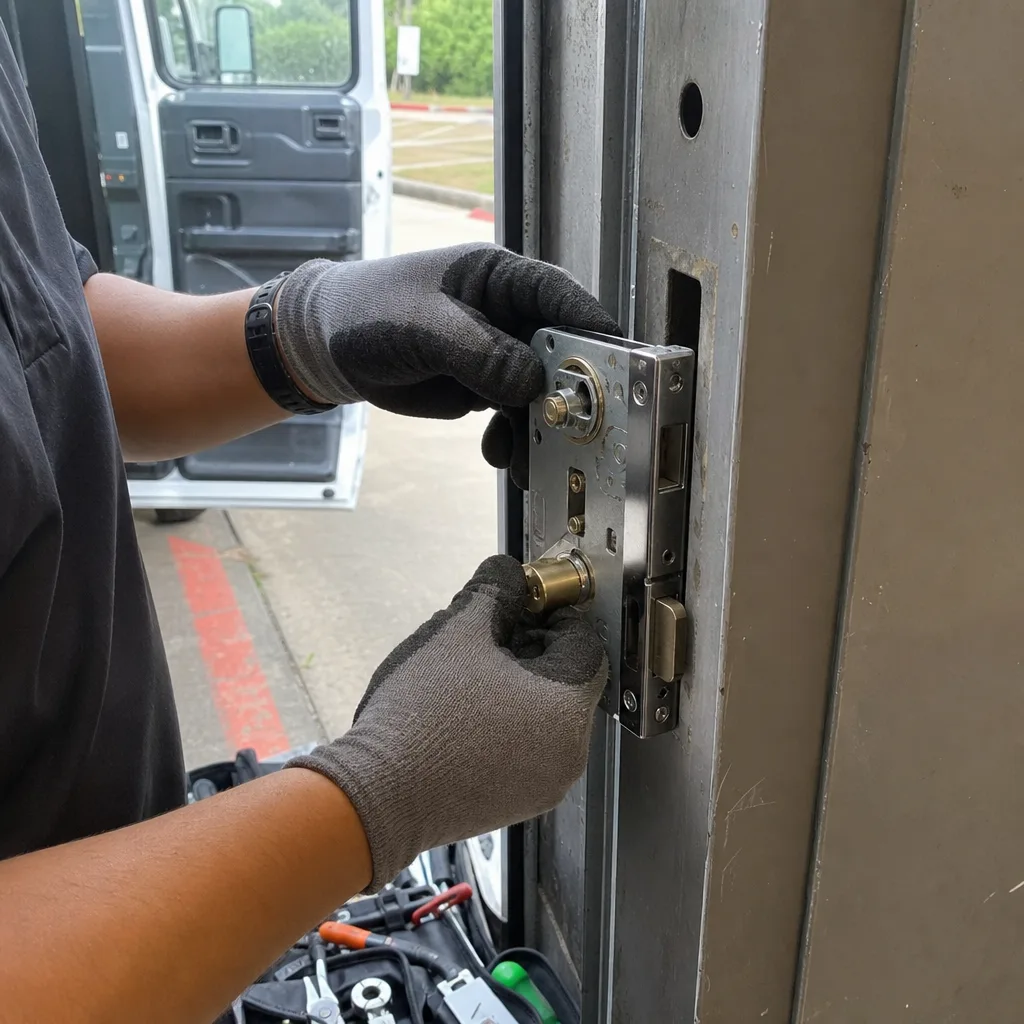
October and November are the only cost-effective months to rekey in Katy. December through January, our call volume for rekeying increases 40% as new homeowners close before year-end, renters turn over, and families return from travel to find keys missing. By mid-December, appointment availability stretches to five business days; in October, we typically schedule within 48 hours.
Why Rekeying Demand Spikes in December
Katy’s real estate market follows a fiscal-year pattern. Corporate relocations finalize in November and December. The new homeowner in Firethorne or Cross Creek Ranch wants locks changed before Christmas. The family that lent a house key to the dog walker all summer realizes in November they never got it back. The adult child who moved out in August still has a key, and holiday gatherings make that visible.
A residential rekey in Katy - changing the internal pin configuration so old keys no longer operate the lock - typically runs $19-$49 per cylinder. A full home rekey of four exterior cylinders runs $76-$196. We quote the full price on the phone; the technician is contractually prohibited from changing it at the door. Haven Standard Clause 1.
Fall Security Audit: What to Check Before You Call
- Count how many keys exist for each exterior door. Include previous owners, contractors, house-sitters, and service providers.
- Identify any lock that has been rekeyed more than twice. The plug may be worn; replacement may be more secure than a third rekey.
- Check whether all exterior locks operate with a single key. If not, key-alike service during rekeying eliminates the jumble.
- Inspect weatherstripping. Compressed or cracked stripping lets humid Gulf air reach the latch mechanism, accelerating corrosion.
We also use the fall window to upgrade hardware where warranted. A Commercial Locksmith in Katy grade Sargent deadbolt on a residential door is not overkill in a neighborhood with reported vehicle break-ins. We stock Baldwin, Yale, and Mul-T-Lock product lines and price them in writing before installation.
Winter Phase: Freeze Protocol for Deadbolts and Smart Locks
Katy’s February freezes are brief but sharp. In February 2021 and again in December 2022, temperatures dropped below 20°F. These events damage locks in ways that are predictable and preventable.
Deadbolt Freeze: The Condensation Problem
The deadbolt on an exterior door collects condensation from indoor humidity hitting cold metal. When temperatures drop below freezing, the bolt mechanism ices. The homeowner forces the key. The cam twists. The lock fails structurally.
Prevention: in late January, apply a dry PTFE lubricant to the bolt surface and the strike plate cavity. The lubricant displaces moisture. Do not use WD-40 or petroleum-based products; they gum in cold temperatures and attract moisture.
If a lock is already frozen: do not pour hot water on it. The thermal shock can crack a brass cylinder. Do not force the key. Warm the key with your hand, insert slowly, and wait for conductive heat transfer. If the key does not turn with moderate pressure, stop. Call us. Forcing a frozen lock is the single largest cause of winter cylinder replacements we see in Katy.
Smart Lock Battery Failure
Smart locks with battery-driven motors - Yale Assure, Schlage Encode, and similar - specify operating temperatures down to 32°F or in some cases 5°F. What the manual does not emphasize: battery capacity drops 50% or more at 20°F. The lock that reported 40% battery life in November fails completely in a February freeze.
We recommend lithium AA batteries for all smart locks in Katy, not alkaline. Lithium maintains capacity to -20°F. We also recommend a manual key override test in January. If you have not used the physical key in six months, verify it operates the lock. Software updates and battery changes can mask mechanical issues until the electronic system fails.
Keypad Entry Systems in Unheated Spaces
Garage-entry keypads mounted on exterior walls face the same temperature swing. Membrane keypads crack when flexed below 30°F. We replace six to eight of these every winter in Katy, typically in homes where the keypad was installed on the north-facing garage wall with no sun exposure.
If your keypad is five years old and exposed, consider replacement before the first freeze. A new keypad with silicone-sealed buttons runs $120-$180 installed, quoted in writing. Waiting for failure means an emergency call, often with a vehicle locked inside the garage.
Winter Checklist
- Replace smart lock batteries with lithium cells in January.
- Test manual key override on every electronic lock.
- Lubricate all exterior deadbolts with dry PTFE before the first freeze warning.
- Inspect keypad condition; replace cracked or stiff membranes.
- Verify garage door emergency release is accessible if keypad fails.
Spring Phase: Post-Storm Inspection After Hail and Wind Events

March through May in Katy brings hail, straight-line winds, and rapid humidity cycling. Each causes distinct lock and door damage that is often invisible until the lock fails.
Hail Impact on Door Frames and Strike Plates
Hail larger than one inch in diameter, which Katy sees every two to three years, dents steel door frames and loosens strike plate mounting. The strike plate that was secure in February now has screw heads raised 1/16 inch. The deadbolt does not seat fully. The homeowner does not notice until the lock is forced in a break-in attempt or until the door rattles in a June thunderstorm.
Our spring inspection includes strike plate torque verification and frame alignment check with the door under pressure. We document findings with the photo record included standard on every visit.
Wind-Driven Debris in Keyways
Keyways are open cavities. Wind-driven grit, leaf fragments, and pollen accumulate. In our spring service calls, we regularly extract compacted debris from keyways in homes near construction sites or recent landscaping. The key goes in hard; the homeowner forces it; the bottom pins jam.
What you can do: once in March and once in May, spray compressed air into the keyway from the outside, holding the lock at a downward angle so debris falls out. Do not use a lubricant first; wet debris compacts and becomes harder to remove.
Humidity Cycling and Wooden Door Edges
Katy’s spring humidity swings from 40% to 90% in a single week. Solid wood doors absorb moisture and expand; they release it and contract. The door that latched cleanly in dry March binds in humid April. The homeowner files the strike plate larger. By August, the door has shrunk again, and the latch no longer reaches the oversized plate.
We see this pattern in older homes in Old Katy and in custom homes with solid mahogany or walnut doors. The correct fix is not filing; it is seasonal adjustment of the strike plate position, typically 1/8 inch, performed with the door at its expanded state. We note the seasonal position and mark the plate for reference.
Spring Inspection Protocol
- Operate every lock with slow, deliberate motion. Note any grinding, catching, or variable resistance.
- Inspect keyways with a flashlight. Look for compacted debris or corrosion at the bottom.
- Check door edge alignment with the frame. Mark any seasonal variation.
- Verify weatherstripping seals. Gulf moisture behind failed stripping corrodes latch mechanisms from the inside.
- Schedule professional service if any lock has become unreliable since February.
Product-Specific Lubrication: What Belongs in a Katy Exterior Lock
Not all lubricants are compatible with all lock mechanisms. Using the wrong product destroys pin tumblers over time and voids manufacturer warranties on premium hardware.
Graphite: The Legacy Choice, Now Discouraged
Graphite powder was the standard recommendation for decades. In Katy’s humidity, it cakes and forms an abrasive paste that accelerates plug wear. We have replaced cylinders in homes where graphite was applied annually for ten years; the plug bore was visibly enlarged from abrasive action. We no longer recommend graphite for any exterior lock in the Houston metro area.
Petroleum-Based Oils: WD-40 and 3-in-1
These products attract dust and oxidize to a gummy residue. In summer heat, they thin and migrate out of the cylinder, leaving metal unprotected. In winter, the residue thickens and causes binding. We remove these products as a first step in many service calls.
PTFE Dry Lubricant: The Correct Choice for Pin Tumblers
PTFE (polytetrafluoroethylene) dry lubricant, sold under brand names including Tri-Flow and Blaster Dry Lube, deposits a microscopic solid film without liquid residue. It does not attract dust, operates from -40°F to 200°F, and does not migrate in heat. We apply PTFE to all pin-tumbler cylinders during seasonal service.
Silicone Spray: For Bolt Surfaces and Hinges Only
Silicone lubricant is excellent for sliding surfaces - deadbolt bolts, latch bolts, and door hinges. It is not appropriate for pin-tumbler cylinders; the silicone carrier fluid can contaminate the pin chambers and cause intermittent slippage. Use silicone on the bolt, PTFE in the keyway.
Lubrication Schedule for Katy
| Component | Product | Frequency | Notes |
|---|---|---|---|
| Pin-tumbler keyway | PTFE dry lubricant | September and March | Apply sparingly; work key 10 times |
| Deadbolt bolt surface | Silicone spray | September and January | Wipe excess; prevents freeze adhesion |
| Door hinges | Silicone spray | As needed | Prevents sag that misaligns locks |
| Smart lock motor gears | Manufacturer-specified | Per manual | Typically none; do not self-apply |
| Keypad buttons | Silicone grease | Annual | Prevents membrane cracking |
What We’ve Found in Specific Katy Neighborhoods
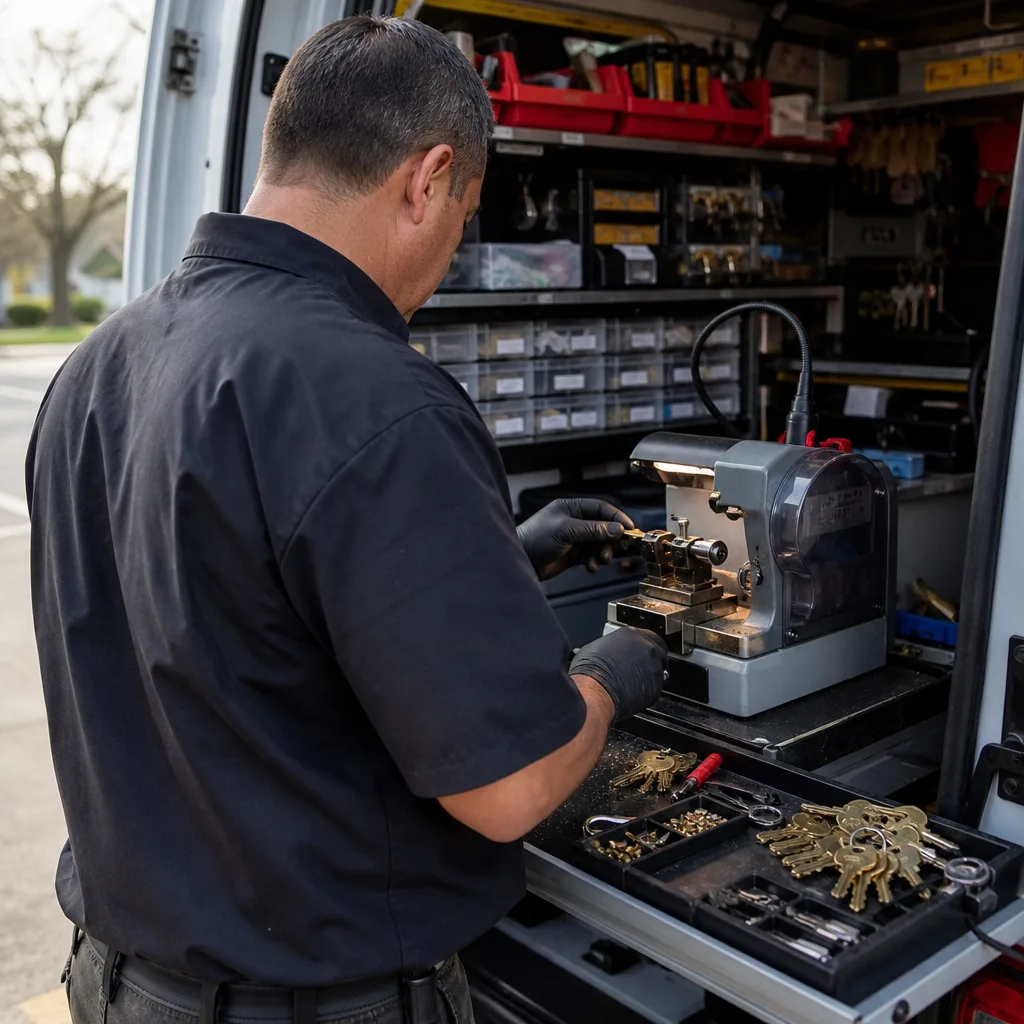
Our service records since 2002 show distinct patterns by neighborhood and construction era.
Cinco Ranch and Seven Meadows: Homes built 1995-2010 predominantly carry original Schlage and Kwikset hardware. The brass-plated cylinders are at end of service life. We recommend proactive replacement with Grade 2 or Grade 3 hardware before failure, not after a lockout. A full hardware upgrade for a four-door home runs $340-$680, including installation and keying-alike, quoted in writing.
Firethorne and Cross Creek Ranch: Newer construction with builder-grade electronic deadbolts. The batteries are often original alkaline cells, now three years old. We find smart locks with 10% battery reporting that fail in the first freeze. We recommend annual battery replacement with lithium cells, scheduled in October.
Old Katy and downtown-adjacent homes: Solid wood doors, often unsealed on the edges, show the most dramatic seasonal movement. We maintain records of seasonal strike plate positions for repeat customers and adjust twice yearly.
Memorial Parkway and Mason Road corridors: Higher traffic volume, more frequent rekeying due to turnover. We see the most requests for master key systems and Access Control Systems in Katy in this zone, particularly for home-based businesses and rental properties.
Common Mistakes to Avoid
- Using graphite in humid conditions. The abrasive paste it forms in Katy’s humidity wears pin chambers measurably. We have documented plug replacement from graphite damage in homes as new as eight years old.
- Rekeying only after a key is lost. Proactive rekeying in October costs less and schedules faster than December emergency service. The key you cannot account for is a key someone else can use.
- Ignoring smart lock low-battery warnings. The warning appears at 20% capacity; at 20°F, that remaining capacity is effectively zero. Replace batteries at the first warning, not the last.
- Filing strike plates to fix seasonal binding. This creates permanent misalignment. The door will shrink in dry weather, and the latch will no longer engage. Adjust the plate position seasonally instead.
- Applying WD-40 to frozen locks. The petroleum base attracts moisture and gums in cold. It provides temporary relief and guarantees recurrence.
- Skipping the manual key test on electronic locks. The override key is the backup you verify before you need it. Test it quarterly.
- Waiting for visible corrosion before servicing exterior hardware. By the time corrosion is visible, the internal mechanism is compromised. Schedule inspection at the first change in operation feel.
When to Call a Professional
Call when a lock changes behavior without explanation - harder to turn, inconsistent engagement, or new sounds. These are early warnings of mechanism failure, not quirks. Call after any break-in attempt, even if the lock still operates; stress fractures in bolts and cams are not always visible. Call before a freeze if you have not serviced exterior hardware in twelve months. Call in October if you need rekeying before December demand peaks.
Novak Lock & Security Katy offers free estimates in Katy. Explore more guides & resources on our blog. We answer calls with a live person, 24/7. The dispatcher quotes a firm price; the technician is contractually prohibited from changing it at your door. Every visit includes a documented photo record and is performed by a background-checked, uniformed technician working to The Haven Standard. Call (832) 402-8386.
Frequently Asked Questions
A seasonal inspection with lubrication, strike plate adjustment, and operation testing typically runs $89-$149 for a standard home with four exterior doors. A full rekey runs $19-$49 per cylinder. We quote the complete price on the phone before dispatching a technician. Call (832) 402-8386 for an exact quote - estimates are free.
Yes. Haven Standard Clause 1 states that the price quoted by the dispatcher is the price on the invoice. Our technicians are contractually prohibited from changing it at the door. This rule has been in place since 2002.
For emergency lockouts and security failures, we typically arrive within 30-45 minutes in Katy city limits. For scheduled seasonal maintenance, we usually book within 48 hours in October and November, and within 24 hours in other months. December appointments may extend to five business days due to seasonal demand.
Every Novak Lock & Security technician carries a state-issued locksmith registration and undergoes a background check before hire and annually thereafter. Technicians arrive in uniform with photo identification. We leave a documented photo record of the completed work with every customer. These are procedures, not promises.
No. WD-40 is a water-displacement formula with petroleum oil that attracts moisture and gums in cold temperatures. For freeze protection, use a dry PTFE lubricant on the keyway and silicone spray on the bolt surface. If you are unsure what product is currently in your lock, schedule a seasonal service and we will clean and relubricate with the correct materials.
Yes. The February 2021 freeze and December 2022 cold snap produced multiple smart lock failures across Cinco Ranch, Seven Meadows, and Firethorne. The failure mode is almost always battery capacity collapse, not electronics damage. Lithium batteries prevent this. We recommend replacing alkaline cells with lithium AAs in every smart lock before January.
The Bottom Line
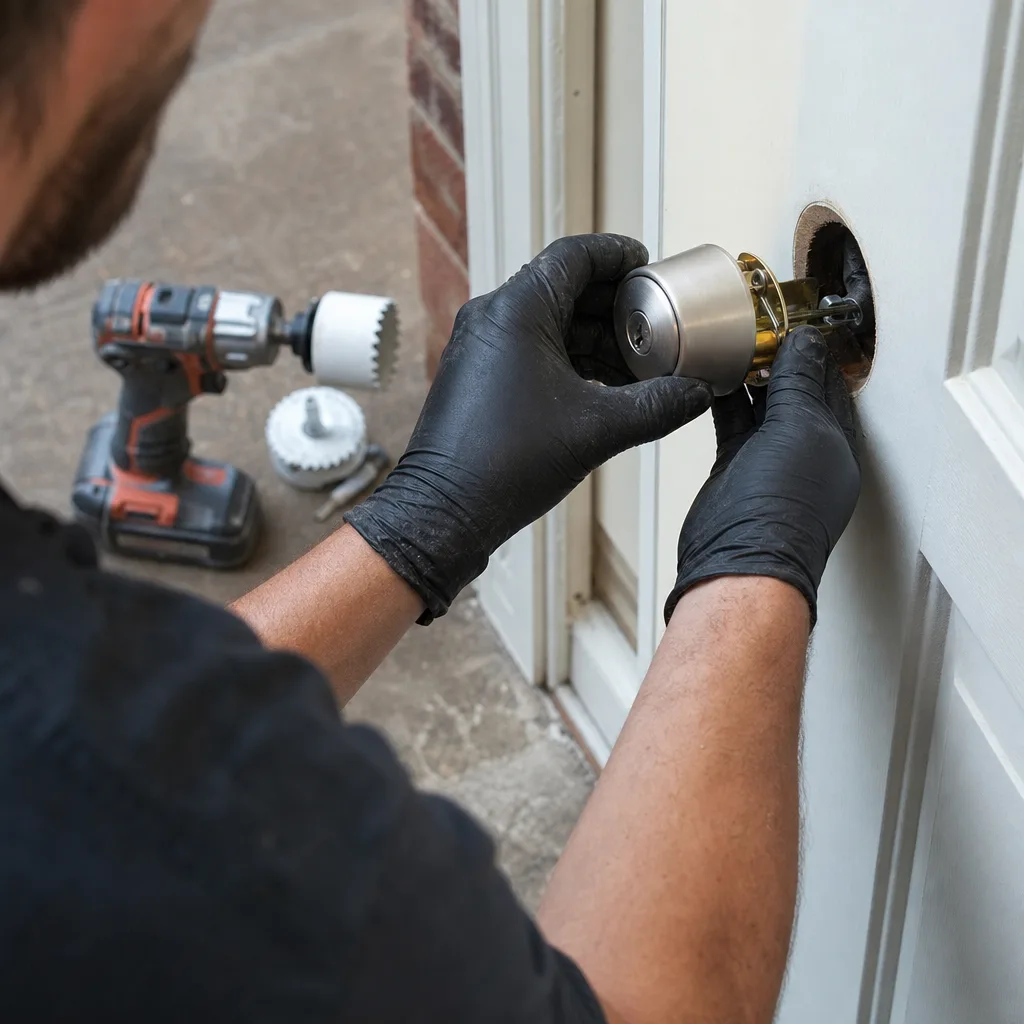
Katy’s climate does specific, measurable damage to lock hardware: summer heat thins lubricants and distorts frames, winter freezes kill smart lock batteries and ice deadbolts, spring storms drive debris into keyways and swell wooden doors, and fall is the only cost-effective window for rekeying before December demand peaks. The homeowners who match maintenance to these phases avoid the emergency calls that dominate our summer and winter records. The ones who wait for failure pay for lockouts, cylinder replacements, and hardware upgrades that scheduled service would have prevented. We have installed and serviced 60,000+ locks, keys, and systems since 2002, every one with a written price before we started and a documented record when we left. The price we quote is the price you pay. That is Haven Standard Clause 1, and it has not changed in twenty-two years.
Written by Daniel Novak, Owner at Novak Lock & Security Katy, serving Katy since 2002.